
In 1959, James Baldwin was already recognized as a talented writer, but he needed financial support to finish a novel he was working on, which explored issues of race, homosexuality, and the urban environment.
The Ford Foundation had recently created a Humanities and Arts program, and awarded Baldwin a $12,000 creative writers’ fellowship.Foundation-Administered Project (FAP) #05900121. Program for Creative Writers. Ford Foundation grants FA732C, RAC.
The result was the long acclaimed and path-breaking novel, Another Country. A 1962 letter preserved in the archives spells out the significance of this gesture of support to Baldwin’s life and career.Baldwin, James. Ford Foundation records, American Literary Manuscripts FA718, Box 1, Folder 1, RAC.
Baldwin wrote:
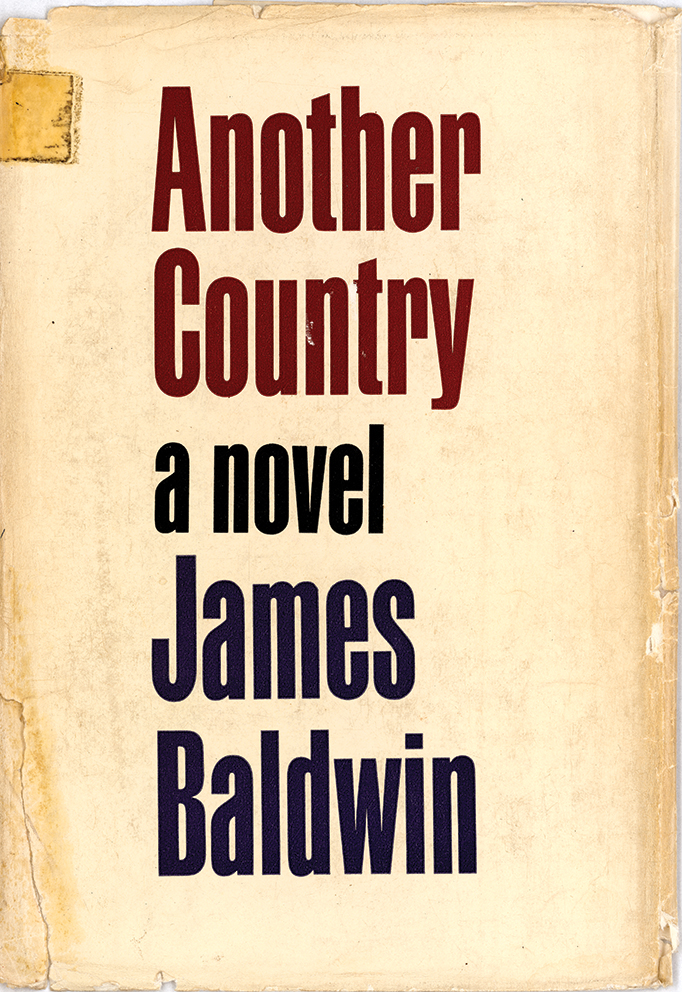
“[H]ad it not been for the Ford Grant, I would either be tearing up until now, or I would have abandoned it. […] An abandoned novel can act as an obstruction which will destroy one’s writing life. For a writer, the destruction of his writing life is exactly the same thing as the destruction of his life.”
James Baldwin, 1961.
More in Arts & Culture
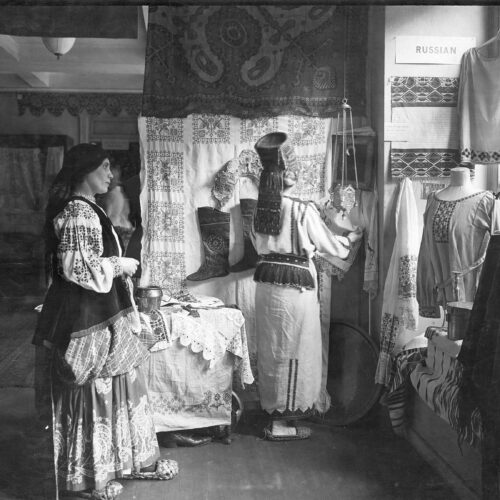
American Fabric: The Ukrainian Needlecraft Guild and “Americanization” in the Progressive Era
The People’s Institute and the Ukrainian Needlecraft Guild offer a lens through which to examine the entanglement of Progressive Era reform, immigration, labor, and early twentieth-century philanthropy.
Timeline: Ford Foundation Support for Creativity
In this timeline, we will follow the path Ford Foundation programs took from the early beginnings to the end of the twentieth century. By no means comprehensive, this selection of grants, large and small, demonstrates the breadth and evolution of funding creativity over the decades.