With a gift of $25,000 and Edsel Ford as its first president, the Ford Foundation was established in 1936. From the Foundation’s genesis, the arts were an activity of interest, fitting into a broader program of funding educational purposes. However, in 1957, the support for the arts skyrocketed with the establishment of the Humanities and Arts Division, with the explicit goal to promote American culture in the world and to create programs that were globally conceived. By 1981, the Foundation had spent $400 million in the field.
In this timeline, we will follow the path Ford Foundation programs took from the early beginnings to the end of the twentieth century. By no means comprehensive, this selection of grants, large and small, demonstrates the breadth and evolution of funding creativity over the decades.
1936: The Ford Foundation is established
Although the early Ford Foundation did not have an arts program (or any program divisions), grants went to various artistic avenues, including grants to the Detroit Symphony Orchestra, Detroit Institute of Arts, and the Museum of Modern Art.
1949: The Gaither Report encourages “freedom of thought, inquiry, and expression.”
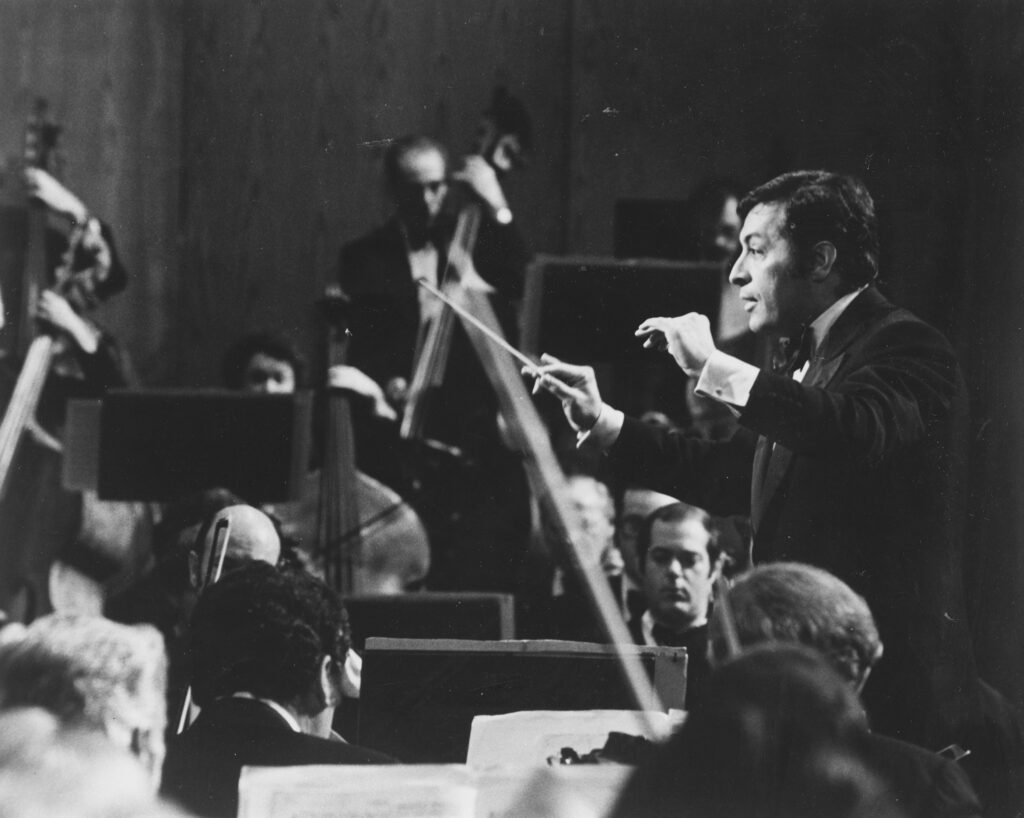
The Report on the Study for the Ford Foundation on Policy and Program, known as the “Gaither Report,” shaped the fundamental ambitions of the Ford Foundation. It described how the Ford Foundation would support activities that eliminate restrictions on “freedom of thought, inquiry, and expression.” The report also highlighted a desire to embed culture into the work of the Ford Foundation, which involved “individuality and inventive and creative talent.” While this didn’t specifically endorse the arts, it helped lay the groundwork for future support.
1950-1959: Early Educational Television
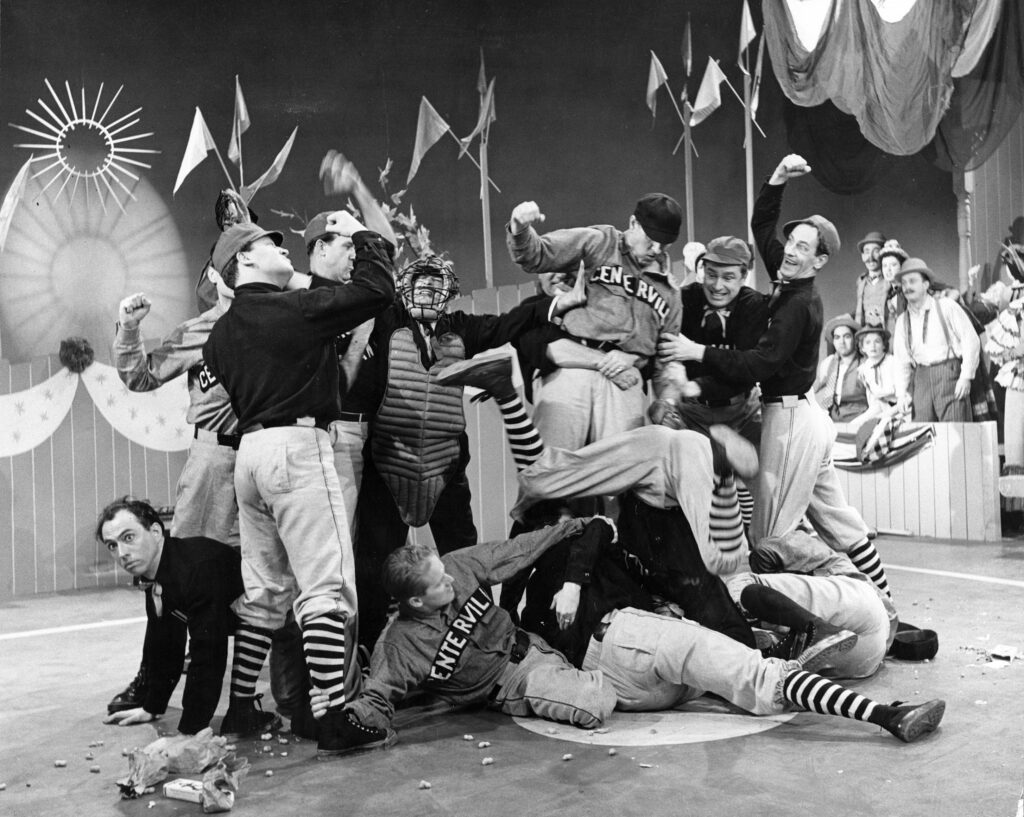
The Ford Foundation gave an $8 million grant towards the Radio and Television Workshop, including a very successful cultural television magazine series, Omnibus. This series was instrumental in the development of programming on educational television in the United States.
1951-1957: Early support for international cultural development

From 1951-1957, the Ford Foundation’s International Affairs division spent $5 million on humanities and arts grants, predominantly in Europe. During this time, Ford funds also contributed to the further development of cultural activities in India, where the Foundation established its first office outside of the United States. Ford supported the Southern Languages Book Trust to translate a wide variety of books (history, novels, children’s literature, etc.) into different regional Indian Languages: Tamil, Telugu, Kannada, and Malayalam.
1952: Support for freedom of expression during the Cold War
The Ford Foundation gave a $615,000 grant to the Eastern European Fund to establish the Chekhov Publishing House. The goal was to promote and defend the freedom of expression during the Cold War, as the venture funded publications that were censored in the Soviet Union. This program, directed by the former ambassador of the Soviet Union, George Kennan, sought to create new editions of works created by Russian immigrants, new editions of classic Russian literature, and also to have new translations of English and American works available to post-war Russian immigrants. This initiative was one of the early Ford Foundation activities in cultural preservation.
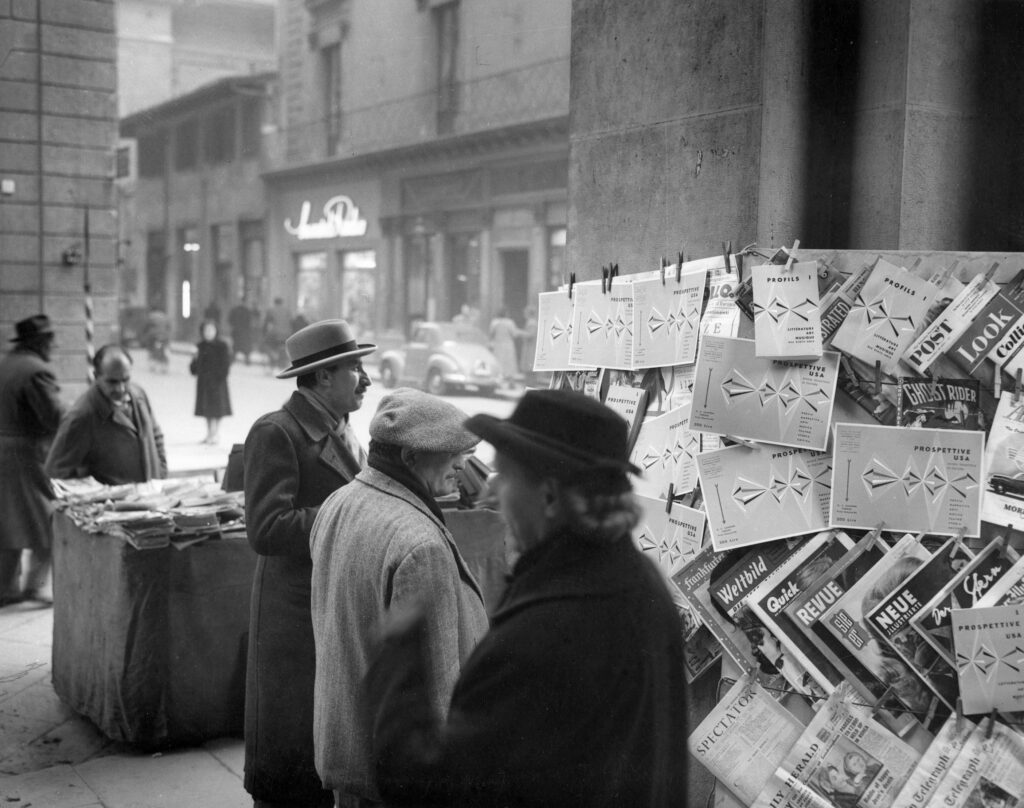
Also in 1952, the Ford Foundation supported Intercultural Publications, a magazine that brought different aspects of American culture — from music and writing to philosophy and architecture — to international audiences.
1952-1967: Trailblazing support for public television
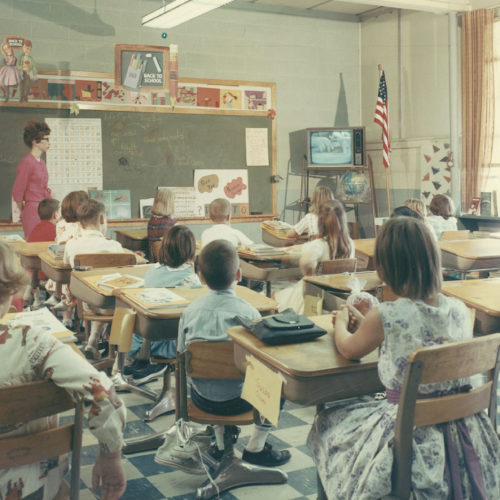
In the 1950s and early 1960s, Ford made $3.5 million in grants to a multitude of local organizations in the United States for the establishment of public television stations. Around this time, the Ford Foundation increased the Humanities and Arts Division by $15 million. Ford’s early involvement played an important role in the passing of the 1967 Public Broadcasting Act and later the creation of PBS.
Early Experiments in Public Broadcasting
The American public broadcast system as it exists today came out of years of work by organized philanthropy.
1953: Ford Foundation supports Indonesian arts
The Ford Foundation supported cultural activities in Indonesia during the early phases of its independence from the Dutch and Japanese. A large cultural project to preserve works of art and manuscripts also extended to the development of ethnomusicology, the study of music in its social and cultural context, in Indonesia.
1957: The Humanities and Arts program is born
The Ford Foundation created a separate program, distinct from the Education program, to support the humanities and arts. Led by Director W. McNeil Lowry, who later became a vice president of the Foundation, with Marcia Thompson as an instrumental program officer, the new program goals initially reflected the Cold War context, seeking to promote American culture in the world.
1957-1980: Supporting artists of Color
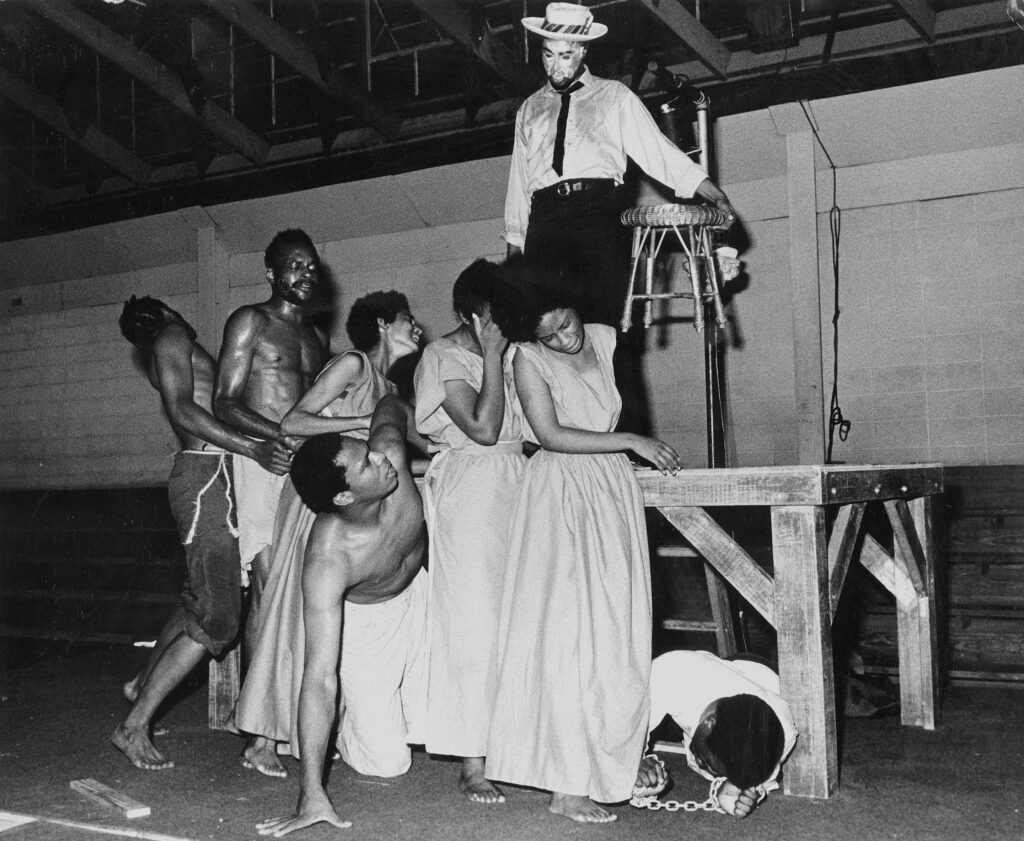
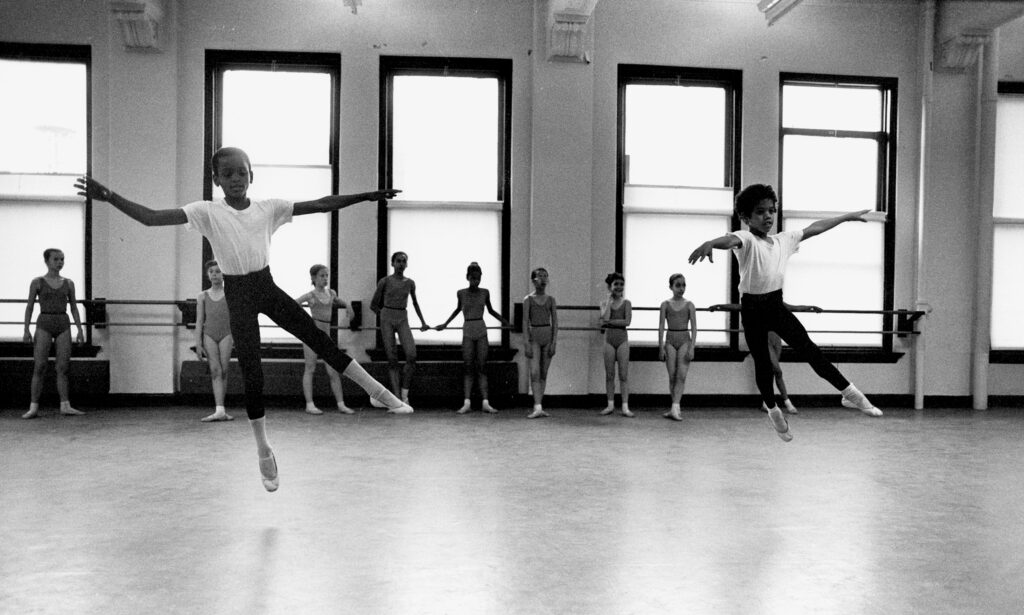
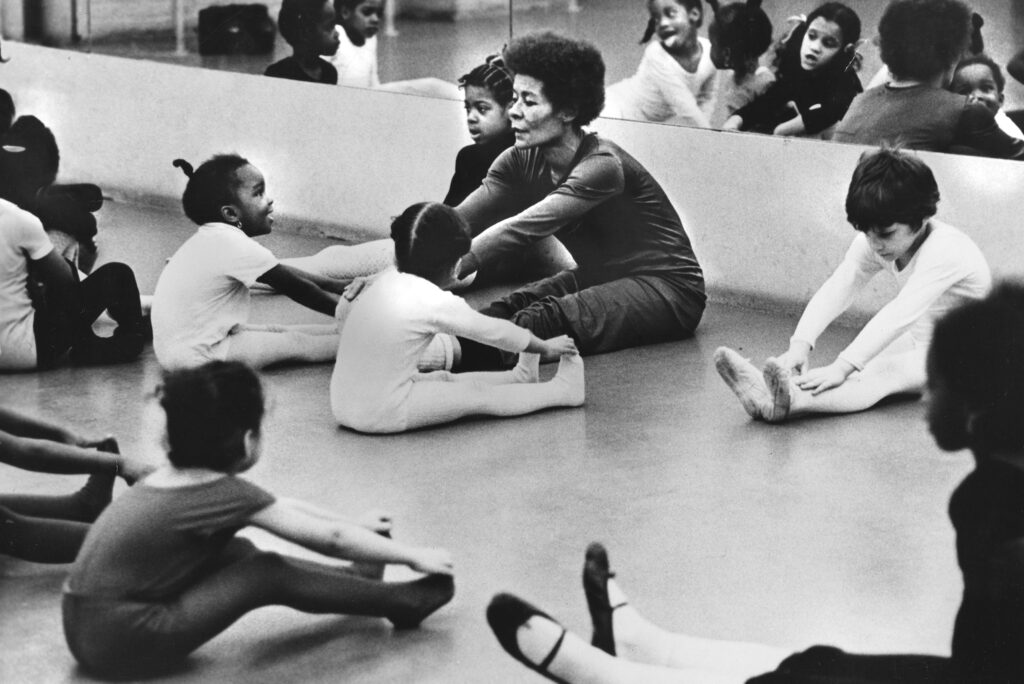
From 1957 to 1980, the Foundation devoted a total of $17 million to support artists of Color. Funded groups included the New Lafayette Theatre and Workshop (1967), the Free Southern Theater (1968), Arthur Mitchell’s Dance Theatre of Harlem (1969), and Arena Stage. A $2 million grant, beginning in 1969, funded a research space, a dance school, and a progressive dance company for amateur performers at the Dance Theatre of Harlem.
1958: Preserving the legacy of jazz in New Orleans
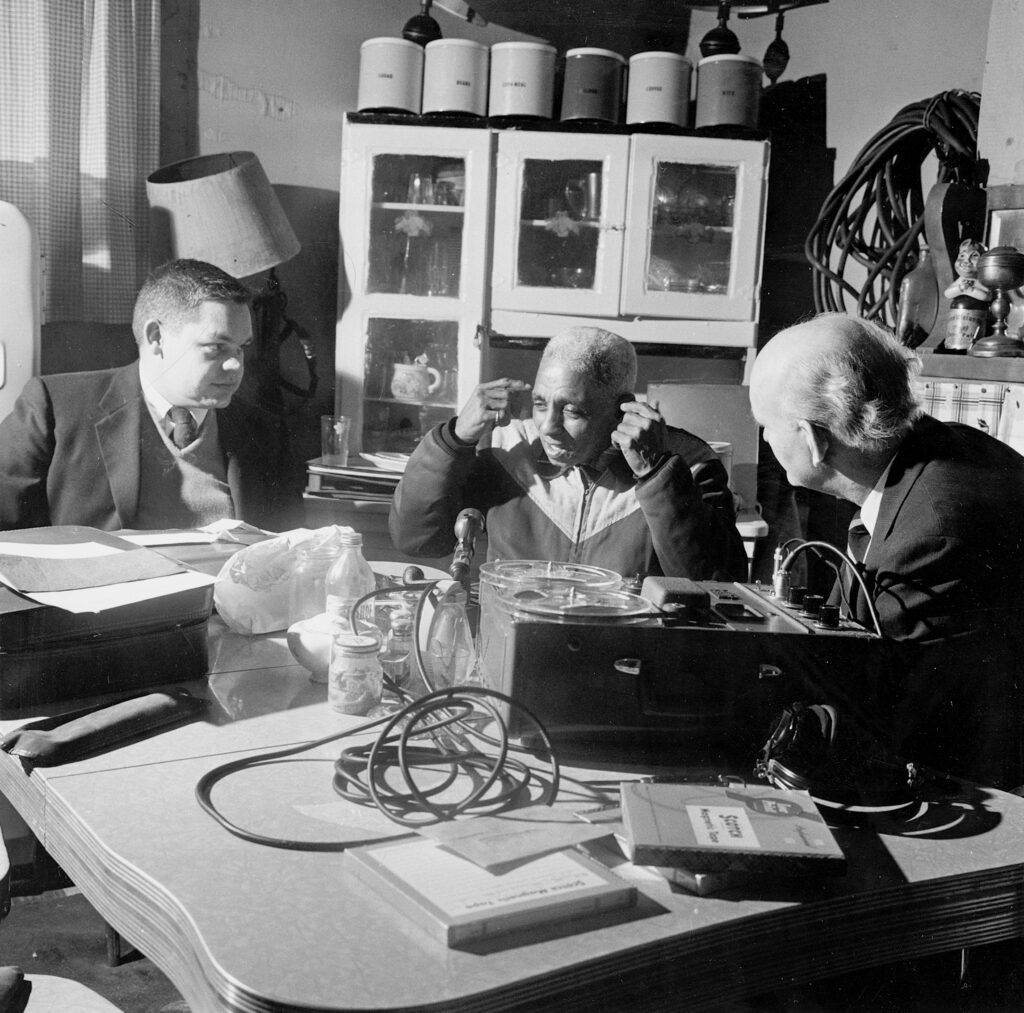
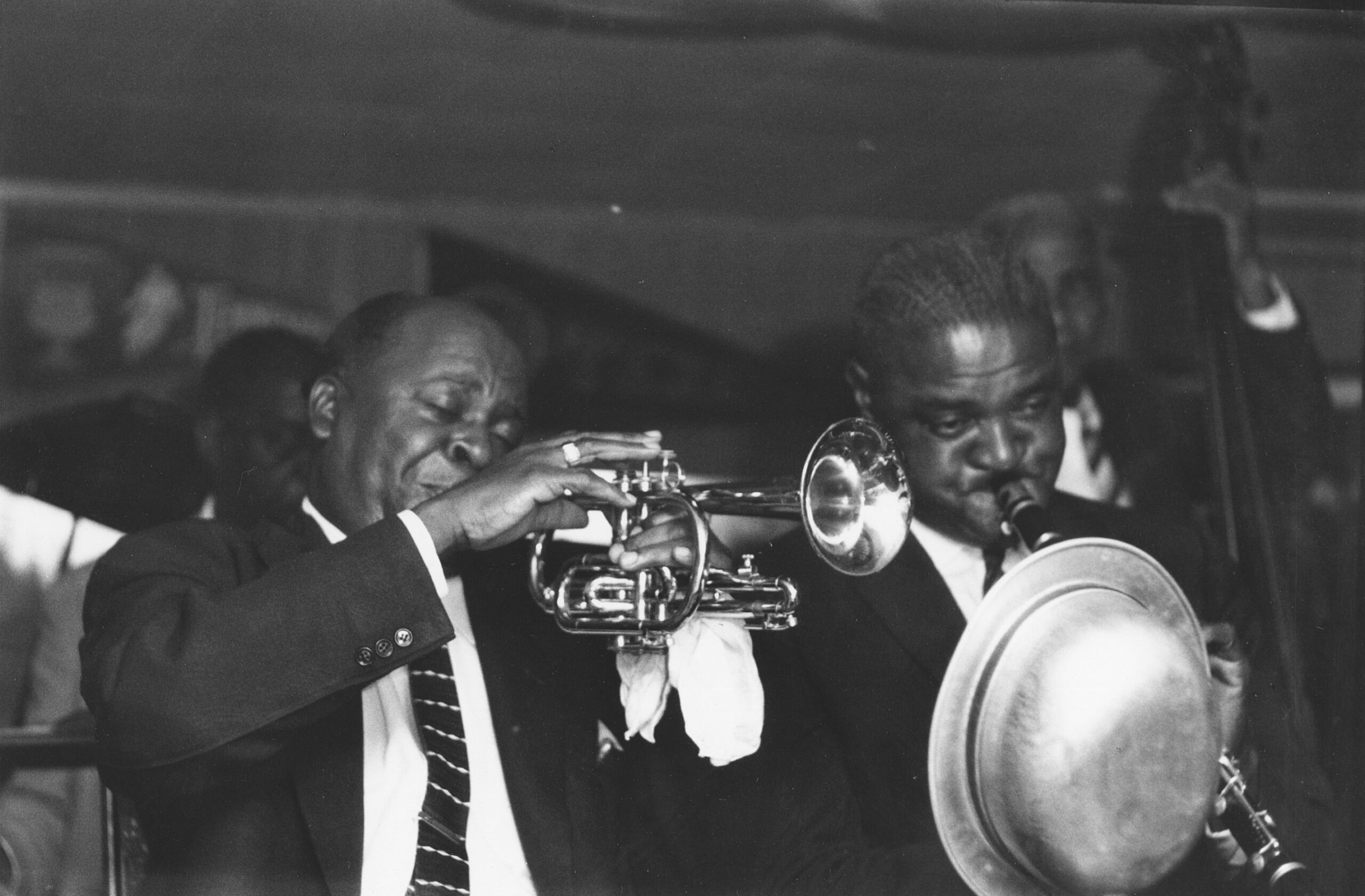
Ford Foundation funds enabled Tulane University to create an archive and carry out an oral history project focused on the history of Jazz in New Orleans. Researchers William Russell and Richard B. Allen tape-recorded interviews with over 500 musicians, while also gathering photographs, records, sheet music, and other memorabilia. The New Orleans Jazz Archive painted a vivid picture of the jazz scene in New Orleans from the 1880s and its growth in becoming a dominant and well-known genre of music.
1959-1960: The first fellowships of Ford’s Humanities and Arts program
In the early years of the Humanities and Arts program, the Ford Foundation devoted a large sum of its program budget to support individual creatives through fellowships. In 1959 and 1960, the Ford Foundation spent nearly $580,000 annually, supporting many visual artists and writers, including the following:
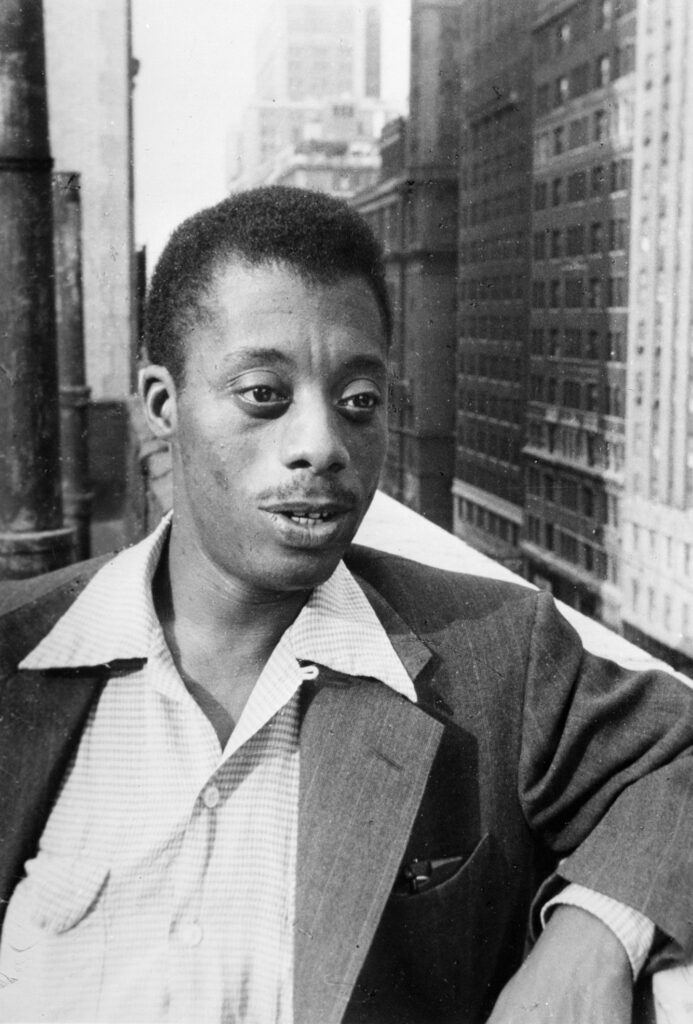
Program for Creative Writers:
– James Baldwin (Another Country)
– Katherine Anne Porter (Ship of Fools)
– Norton Juster (The Phantom Tollbooth)
Program For Visual Artists:
– Andrew Dasburg (cubist)
– Philip Guston (abstract expressionist)
– Kenzo Okada (abstract expressionist)
– Milton Avery (painter)
– Jacob Lawrence (painter)
1960: A large budget increase for the Humanities and Arts program
During the March 1960 board meeting, W. McNeil Lowry worked with the Foundation’s President, Henry T. Heald, to prepare a larger budget request from the Ford Foundation board. This allocation ultimately increased the resources of the Humanities and Arts program, from $6.3 million in 1957 to $15 million in 1961. The Ford Foundation’s Humanities and Arts division was then able to build more lasting and structural programs, further establishing the Foundation as a leading force in arts funding.
1961: Establishment of the Theatre Communications Group (TCG)
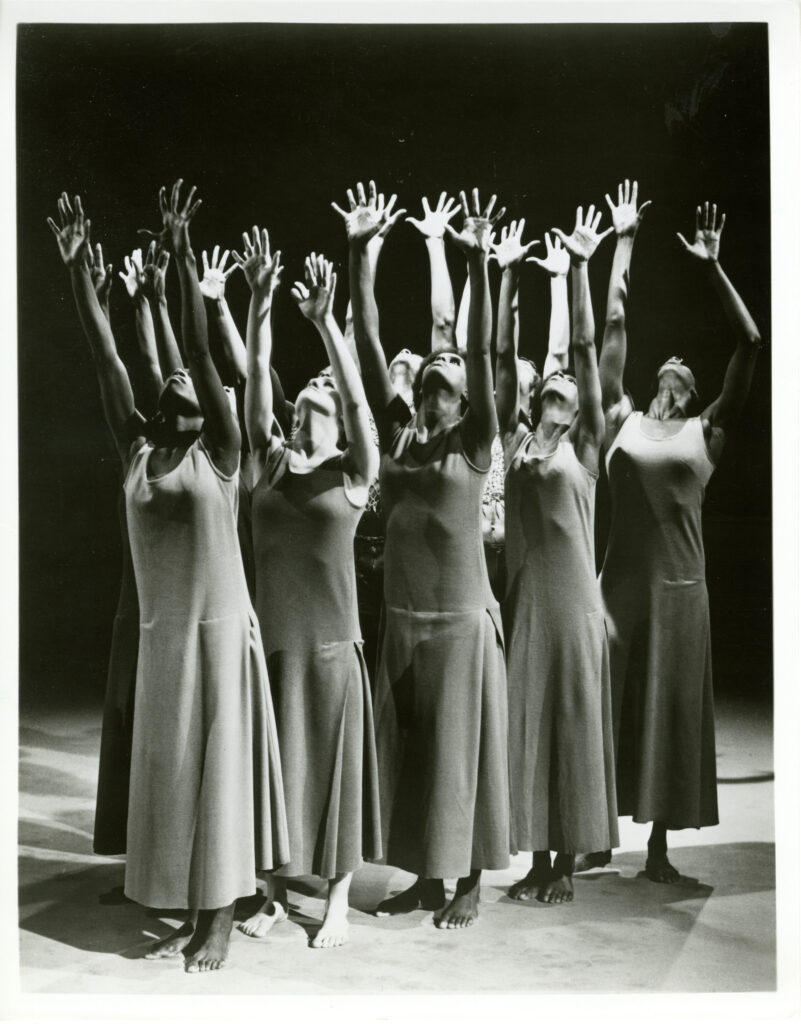
The Ford Foundation established the Theatre Communications Group (TCG) to link regional theaters into a network to establish professional standards. The TCG remains a leading professional theater network organization.
1962: Support for professional theater and dance
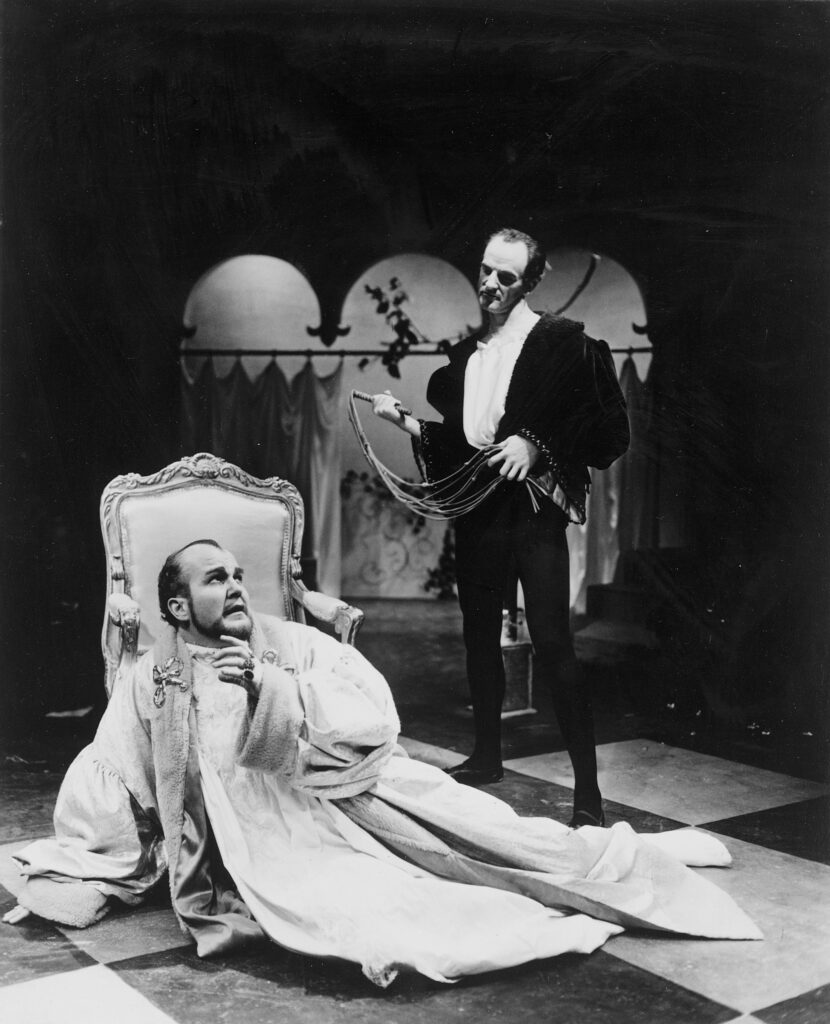
In 1962, the Ford Foundation shifted its support from individual artists and performers to instead shore up arts organizations. Grant funds allowed professional theater, dance, and music companies to hire professional actors for full seasons and provided training in administration and technical production. Notable recipients of Ford grants at this time included the Alley Theatre in Houston, Arena Stage in Washington, DC, and the Guthrie Theater in Minneapolis.
1963: Ford gives a $12.5 million dollar grant towards the construction of Lincoln Center
Along with the Rockefeller Foundation, the City of New York, and other Rockefeller philanthropies, the Ford Foundation contributed $12.5 million towards the construction of Lincoln Center. Funding for new performance projects and the education and cultural activities were also a part of the Ford grant.

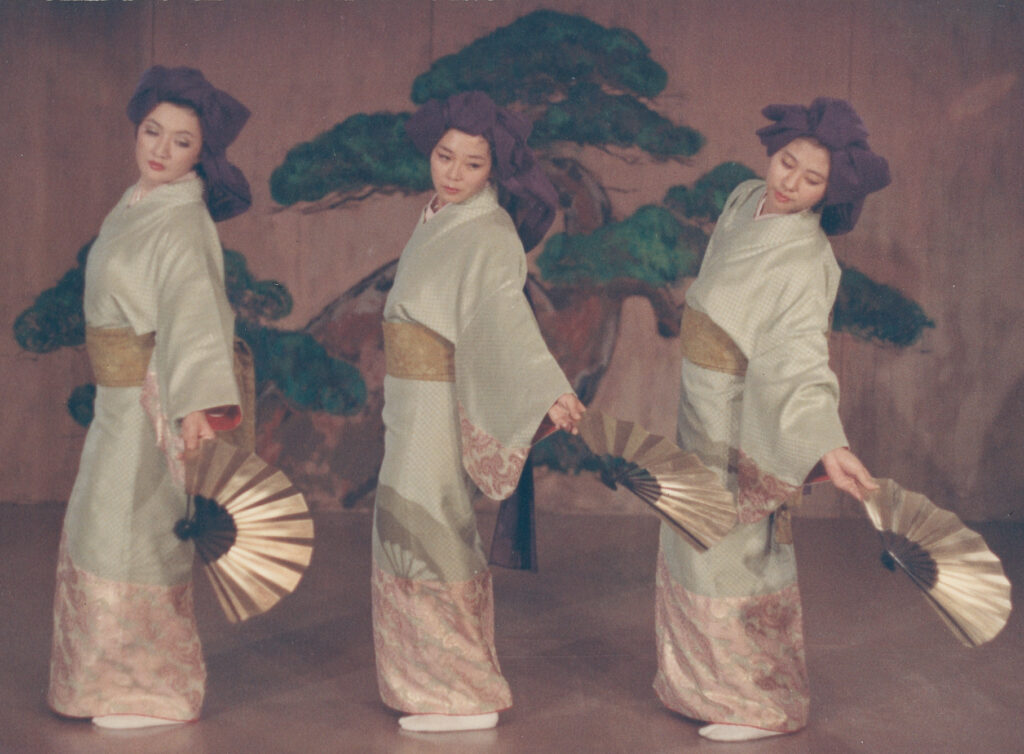
1963: Ford Foundation supports the Ethnomusicology Institute at UCLA and its World Music Ensembles
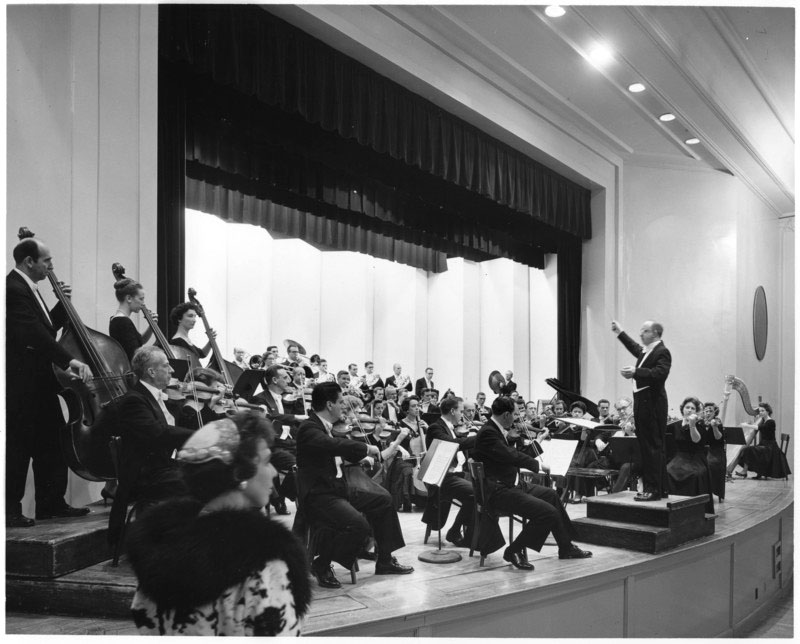
1965: A large grant for the nation’s orchestras
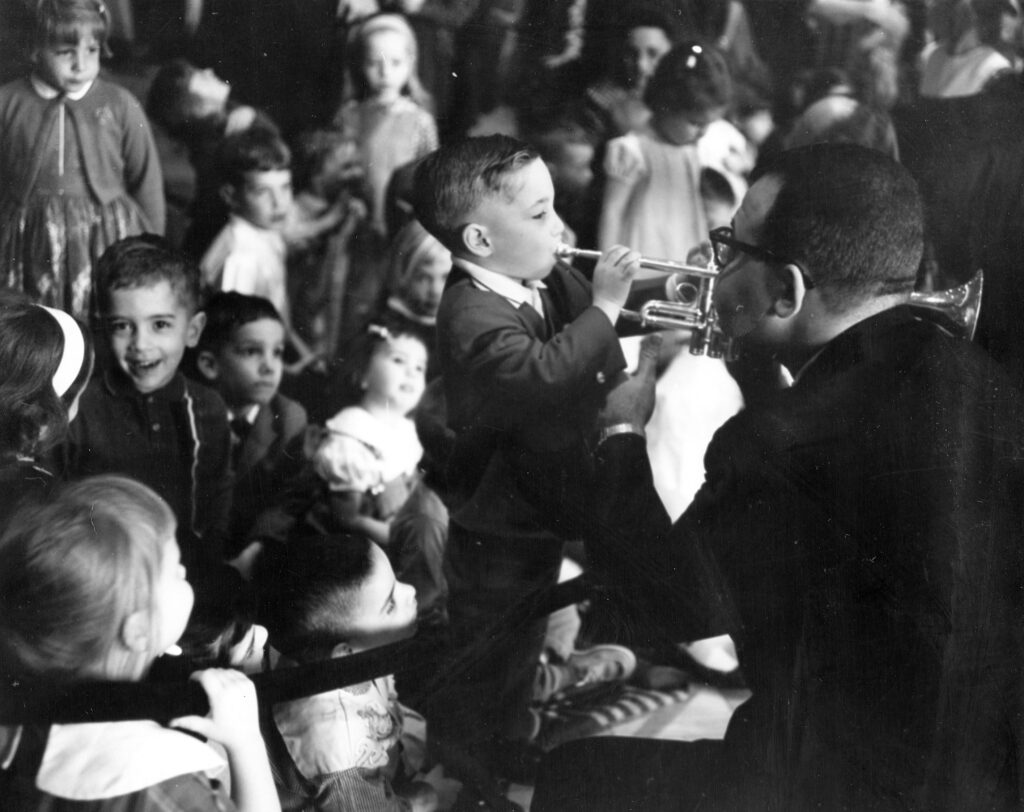
The Ford Foundation hoped to provide lasting financial stability for the nation’s symphony orchestras through an $85 million grant program. The program’s intention was to fund endowments for these orchestras, provided each one could raise matching funds. However, this program ended up having its own troubles, as some orchestras were unable to develop fundraising strategies that were successful enough to meet the matching-funds requirement. Some also had to use the endowment to pay bills and staff as the production costs continued to rise.
1966: Promoting Racial and Cultural Identities
Ford Foundation President McGeorge Bundy (1966-1979), alongside Humanities and Arts Division leadership and staff, sought to explicitly tackle “social development” issues (an early framework for supporting communities of color). Grants supported incorporating non-traditional arts into educational programs for young children to experience their culture and racial identity through the arts. Support also went to providing more artistic opportunities for underserved communities.
The Ford Foundation also helped establish the Negro Ensemble Company and the Dance Theatre of Harlem, which remain world-renowned art institutions to this day.
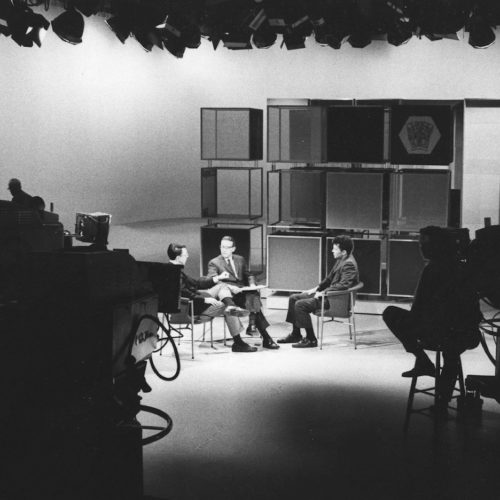
Programming for the People: Diversity in Early Public Television
Philanthropy helped carve out a public space for the expression of race, culture, and critical perspectives.
1968: Ford Foundation supports minority-led performance initiatives
The Inter-City Cultural Center supported playwrights of American Indian and Mexican Heritage. The Foundation also worked with the Center for the Arts of Indian America for a program of performing and visual arts in Arizona, New Mexico, and South Dakota. This was seen as both an act of cultural preservation and a promotion of art as a means of cultural expression.
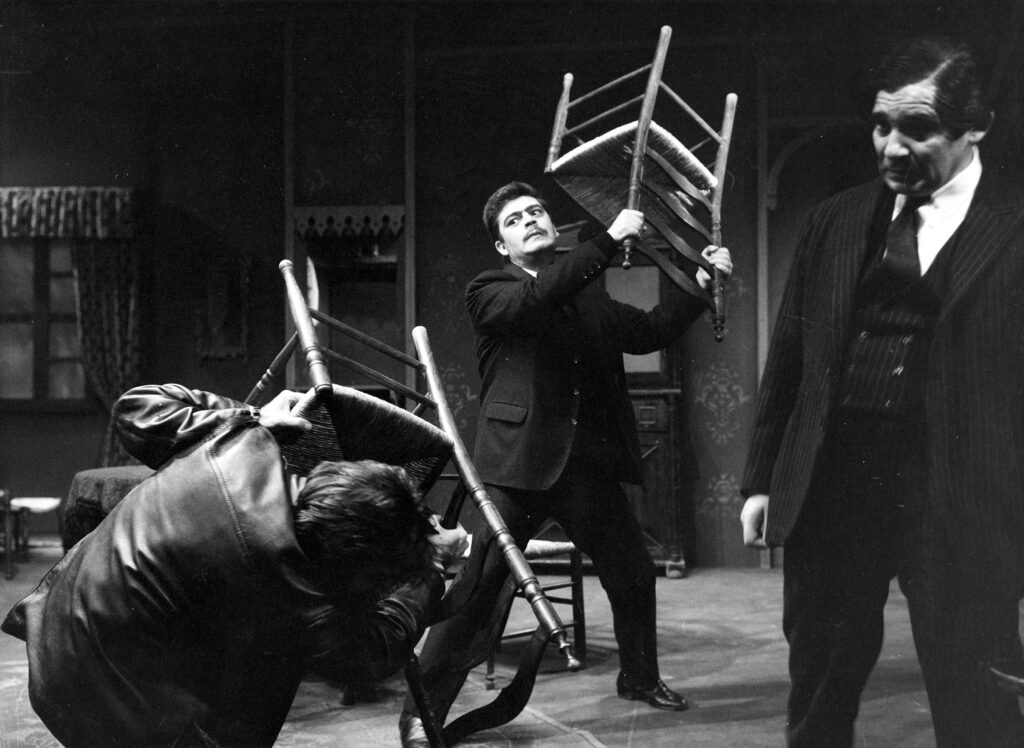
1968: Greek theater in the 20th century
The Ford Foundation funded the Athens Drama Society with a $410,000 grant for the Greek Art Theatre.
1971: Restructuring the symphony orchestra support
After the problems that arose with the symphony endowment grants program, the Ford Foundation pivoted its strategy in 1971 through the creation of a Cash Reserve Program. The goal of this fund was to enable performing arts groups to eliminate the accumulated losses and create a capital reserve fund. This Fund has proven successful as it has helped improve the financial health of many performing arts groups. After seeing its success, the Mellon and Rockefeller Foundations joined together with the Ford Foundation to create the National Arts Stabilization Fund (NASF) in 1983, led by Marcia A. T. Thompson, former Ford Foundation program officer and a leader in the arts funding field.
1974: A revitalization of American television
With a $1.5 million grant to the National Endowment for the Arts in 1974, the Ford Foundation helped start the New American Television Project to produce original American plays for television (broadcasted via PBS), to give the dying genre “a shot in the arm.” One of the major criteria for this project was the “freedom to fall,” meaning freedom from censorship and as much autonomy as possible to create the show they desired, and sufficient lead time, giving each project a two to three-year commitment to production. By the first year, the goal was to create eighteen to twenty shows.
After three years, the Ford Foundation spent $10.2 million funding two broadcast seasons encompassing thirty-five programs. A few of the programs included You Can Run but You Can’t Hide, a story about an alienated Vietnam Veteran; Circles and The Tapestry, two stories about teenage girls in Harlem, directed by Maya Angelou; Two Brothers, a story about two brothers navigating mental illness and drug abuse; and The War Widow, a story focused on a World War I-era romance between two women.
1978: Arts and culture in the American South
A $50,000 grant to the Center for Southern Folklore supported the documentation of southern folk culture.

1979-1990: Ford helps fund a major dance festival
The Ford Foundation supports the American Dance Festival, a 7-day event held in North Carolina that is credited as being a leader in modern dance. Through $1.7 million in grants from 1974-1990, the Ford Foundation aided the funding of cross-art concepts, dance companies for the festival, supporting choreographers, and also supported African American tradition through aiding the funding for the production of a four-part public television series titled “Closer to the Truth: The African American Presence in Modern Dance.”
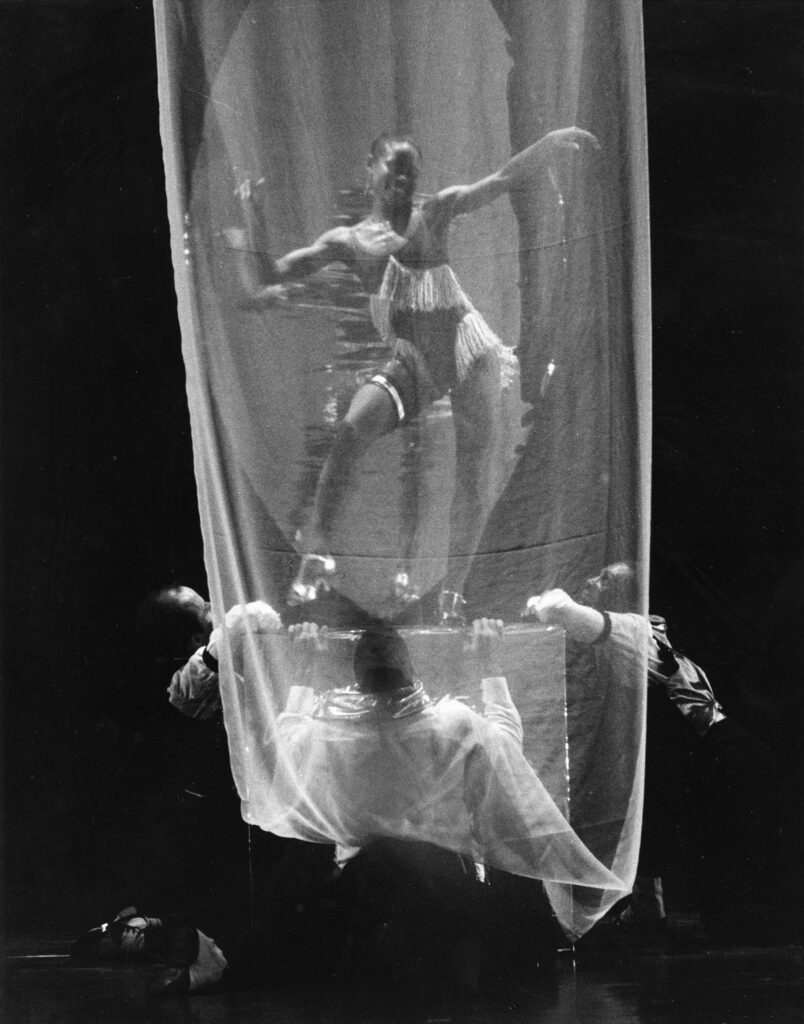
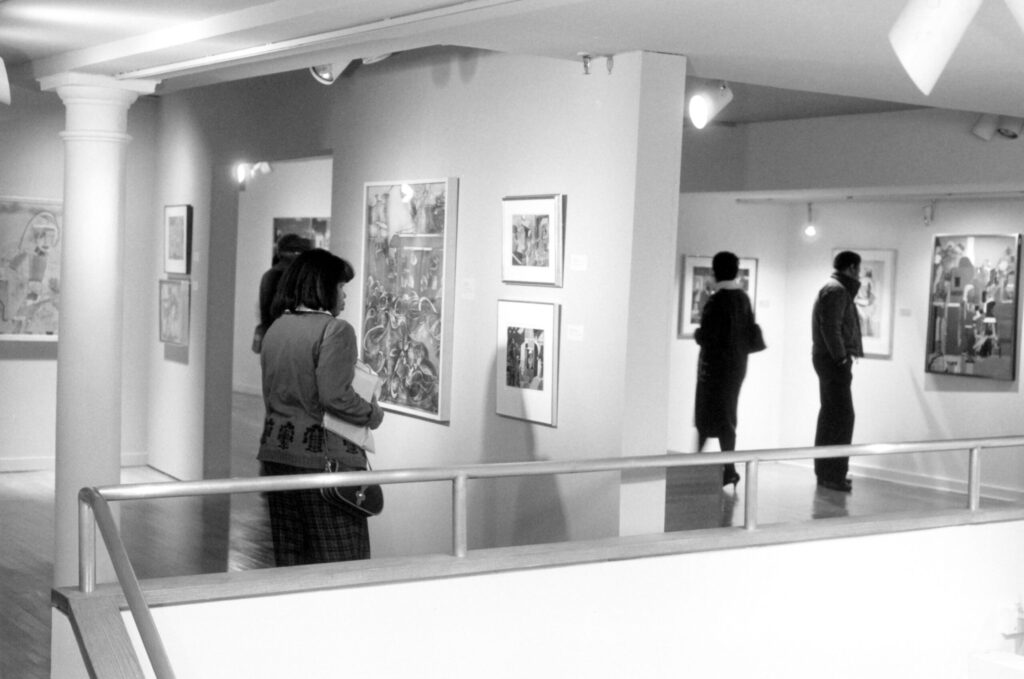
1979-2004: Support for The Studio Museum in Harlem
Beginning in 1979 and continuing for decades, the Ford Foundation supported the Studio Museum in Harlem, spending over $2.4 million in grants by 2004.
1980-1981: Ford supports the production of a film about Latin American and Caribbean music
A $10,000 grant provided partial support for the pre-production phase of a film on Cuban-American music.
1982-1990s: West African Museums Programme
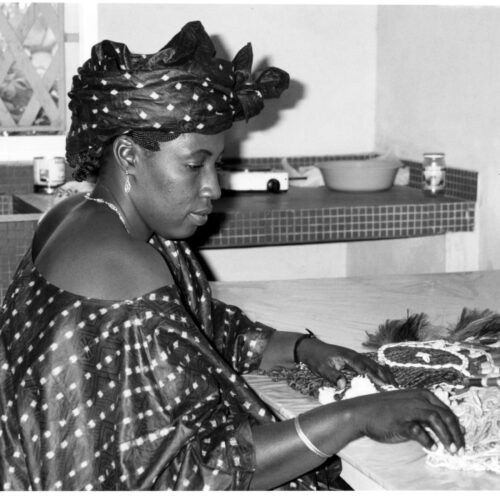
In 1982, the Ford Foundation provided nearly $2 million in founding support for the West African Museums Programme (WAMP). This was in response to museum staff members’ concerns over the continued preservation of their collections. Many institutions lacked essential resources such as climate control, conservation materials, and trained conservators. The Program supported professional training programs at universities and museums across Africa, recognizing the significance of these institutions to their local communities. The program sought to differentiate the museums in West Africa from European-style museums, also placing these museums into the contemporary context of current-day Africa.
In the first decade of operating, WAMP supported museums in 16 countries. Now, they work with 200 museums in 17 African countries. WAMP has rescued and rehabilitated valuable photograph collections, sponsored archaeological excavations, and heritage preservation projects. Importantly, the program allowed for the creation of databases for traditional art, craft, and technological processes, and professional training on how to respond effectively to conditions of war and natural disaster.
In Brief: The West Africa Museums Programme
The staying power of a massive preservation project thanks to a focus on museum staff and museums’ communities.
1983: Ford supports film on modern dance legend Hanya Holm
Ford Foundation supported the documentary on the life of Hanya Holm, a dancer who played an important role in pioneering modern dance. “Hanya: Portrait of a Dance Pioneer” follows Holm’s career from Germany in the 1920s to her time on Broadway. The film features archival footage from the 1930s and 1940s and interviews with Holm and many of her students. The film was introduced by Julie Andrews and narrated by Tony Award winner Alfred Drake. It won the Grand Prize in the Dance Film Association’s Dance on Camera Festival in New York.
1983-1985: Ford supports Afro-Latino arts
Through the Cultural Association program for support of Black Arts, the Ford Foundation supported a contemporary Afro-Brazilian arts and culture program in Rio de Janeiro, Brazil
1984-1985: Cultural preservation in Indonesia
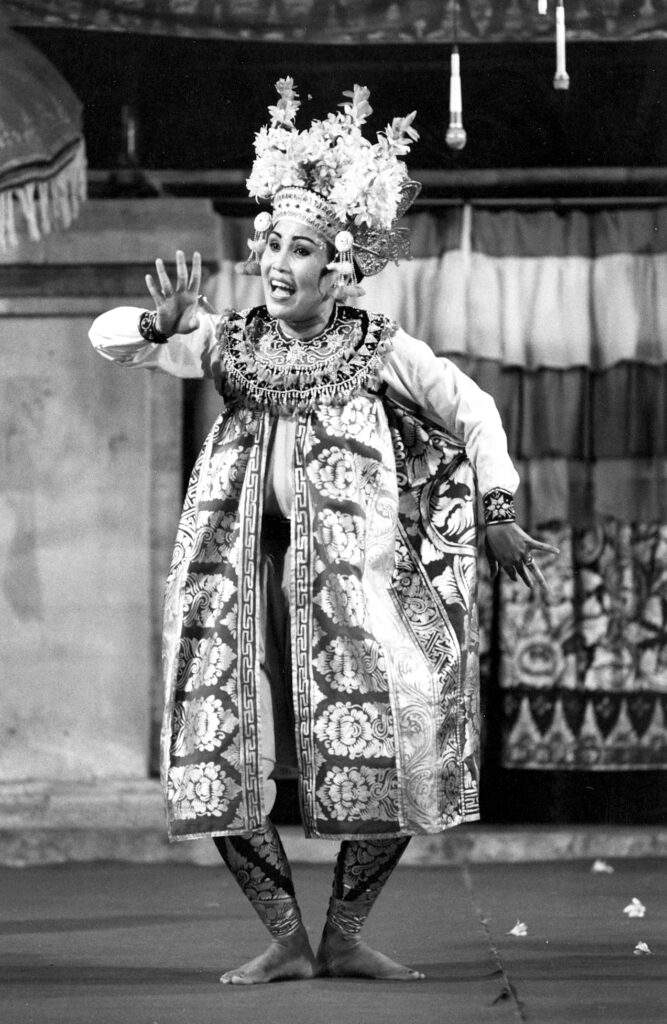
The Ford Foundation funded a cultural preservation project in Indonesia, working alongside the Academy of Ensemble Music (ASKI) and the Radya Pustaka Museum to keep traditional Indonesian dance, Bedoyo, alive. In addition to performance, the grant funded staff members to catalogue, repair, and preserve cultural manuscripts and Indonesian puppets. An $85,000 grant to the Indonesian Academy for the Performing Arts funded the further development of ethnomusicology in Indonesia through the documentation and study of living traditions in music, dance, and drama
1984-2000: Preserving Traditional Andean music
Working alongside the Pontifical Catholic University of Peru, the Ford Foundation granted over $600,000 towards the archival preservation of traditional Andean Music.
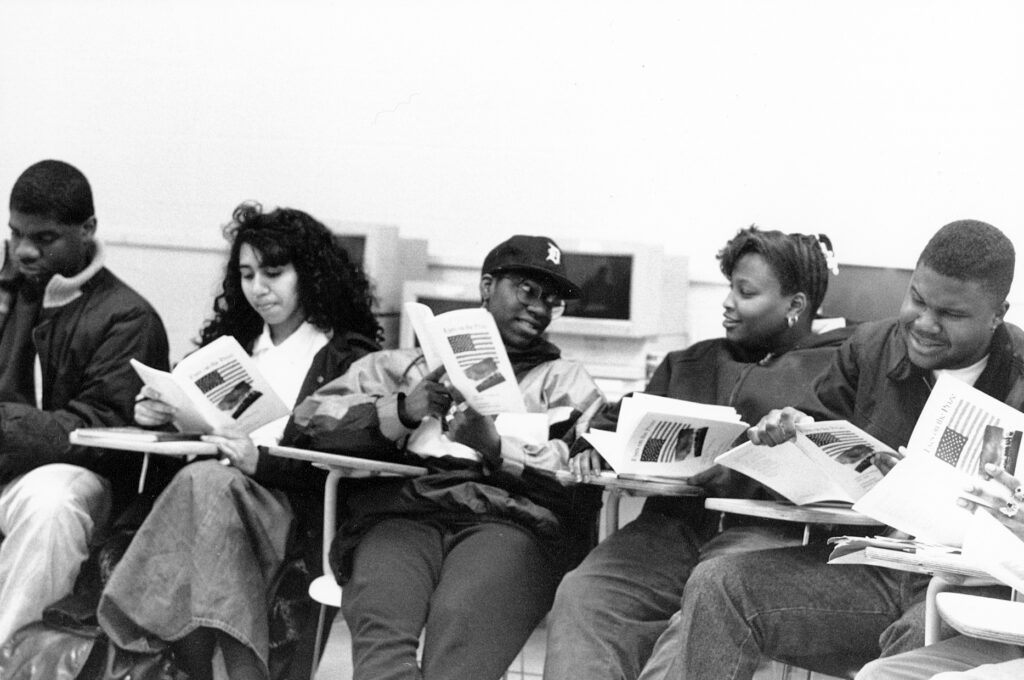
1985: Eyes on the Prize
Under President Franklin Thomas (1979-1996), the Ford Foundation returned to educational media, supporting the production of the 1987 Civil Rights documentary Eyes on the Prize.
1987: Ford Establishes the Media Production Fund
The Ford Foundation established the Media Production Fund (MPF) within the National Endowment for the Arts to raise public awareness of the complex experiences of vulnerable groups and key contemporary societal issues. In turn, MPF supported PBS documentaries about poverty and diversity, the National Public Radio’s Latino USA Program, and the 1988 movie Stand and Deliver, directed by Ramón Menéndez
1989-1995: Ford Supports the Mexican Museum
Continuing its support for Black and Hispanic cultural organizations, the Ford Foundation granted over $700,000 to support the Mexican Museum in San Francisco in 1989.
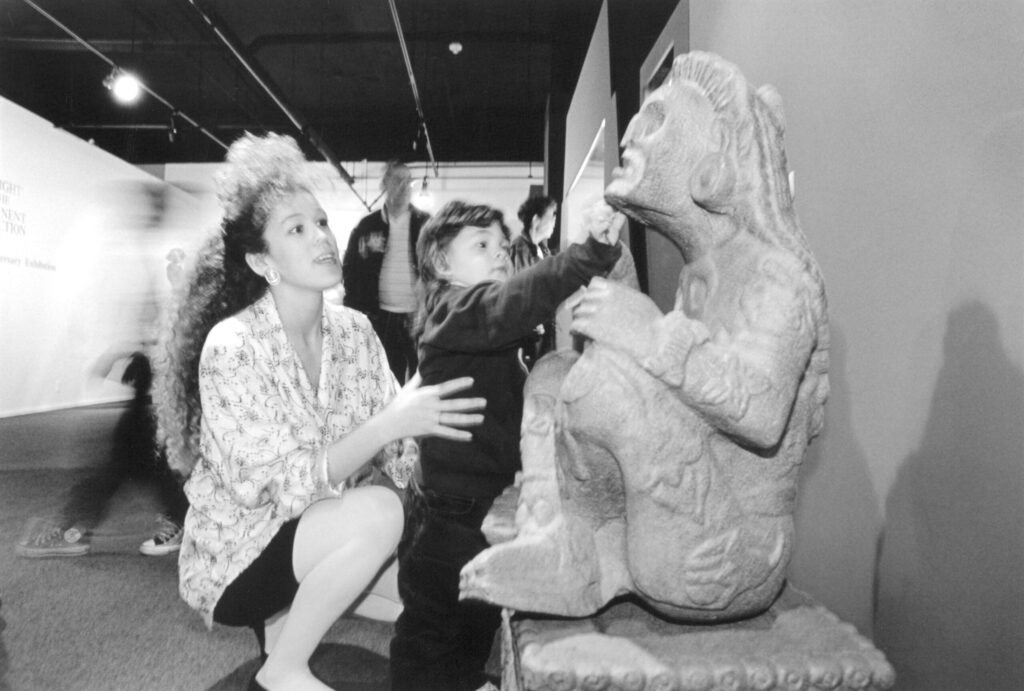
1990-1992: Ford helps stabilize the Cuban Museum of Arts and Culture
As part of a broader initiative to support Black and Hispanic museums, the Ford Foundation granted $169,000 to the Cuban Museum of Arts and Culture.
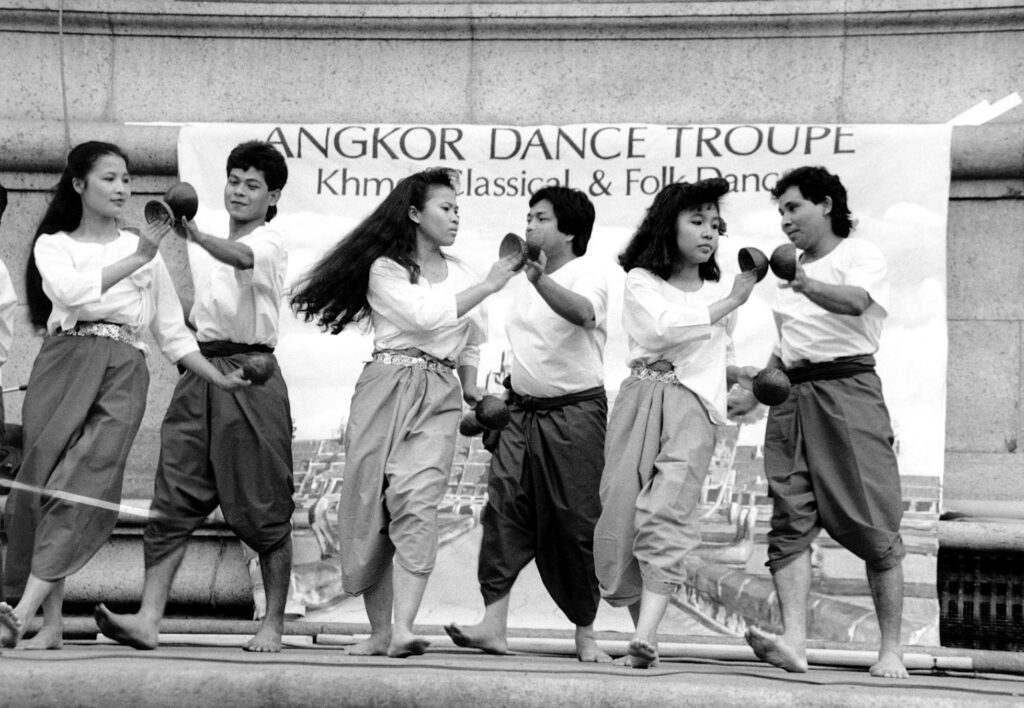
1991: Ford Foundation helps protect Cambodian culture in America
The Ford Foundation supported the Angkor Dance Troupe (ADT), a youth-centered organization in Lowell, Massachusetts, to encourage cultural pride and inspire young Cambodian Americans to learn and appreciate traditional Cambodian dance, music, and storytelling, keeping the heritage of the Khmer people alive.
1992: Ford supports the Crossroad Theatre Company
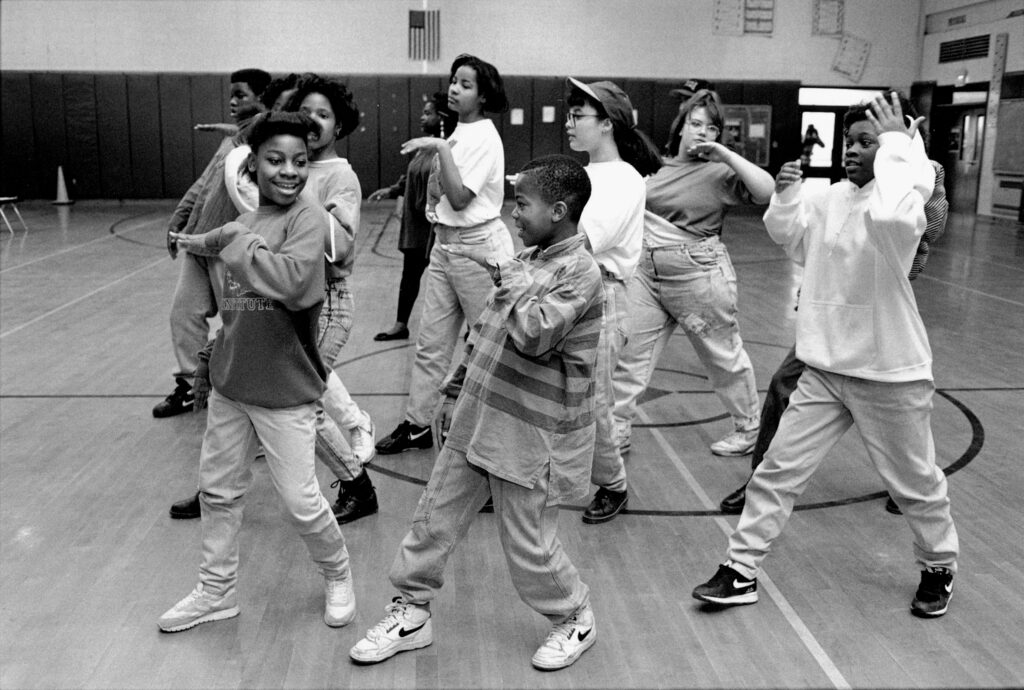
The Crossroad Theatre Company, based in New Jersey and supported by the Ford Foundation beginning in 1992, focused on the development of plays that highlight the Black experience, providing authentic portrayals of people of color to educate, inspire, and heal society.
1994: Preserving indigenous Kenyan art
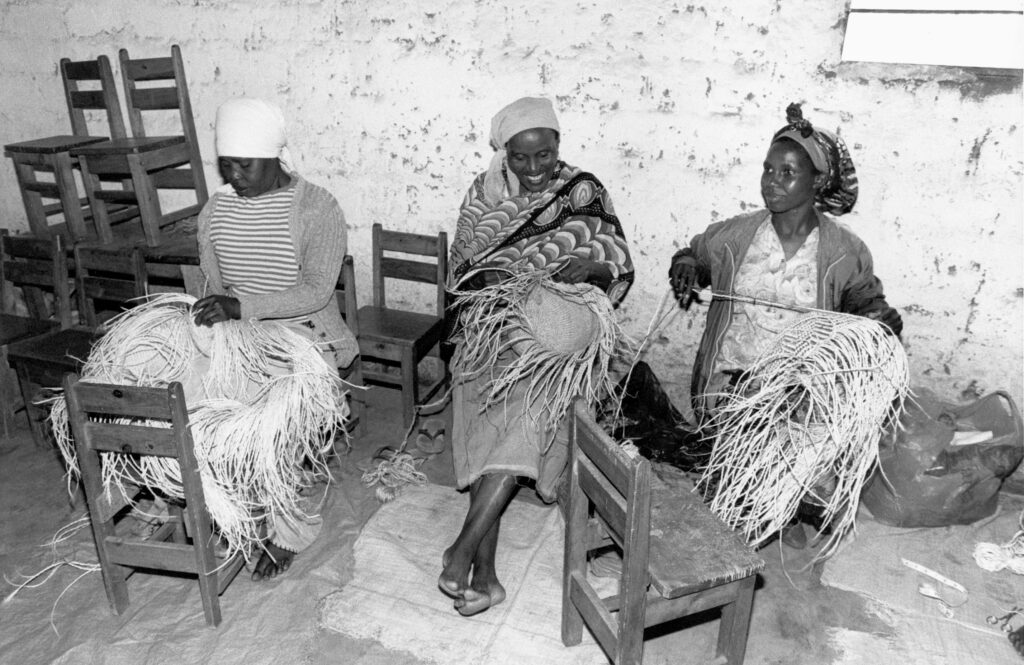
The Ford Foundation funded preservation efforts in Kenya by working to both document and preserve indigenous artistic production. During this time, they also supported the Paa Ya Paa Gallery in providing more opportunities for traditional Kenyan artists working on many different styles of traditional art, such as basket weaving, beaded necklace making, batik making, and more.
1994: Continued support for PBS
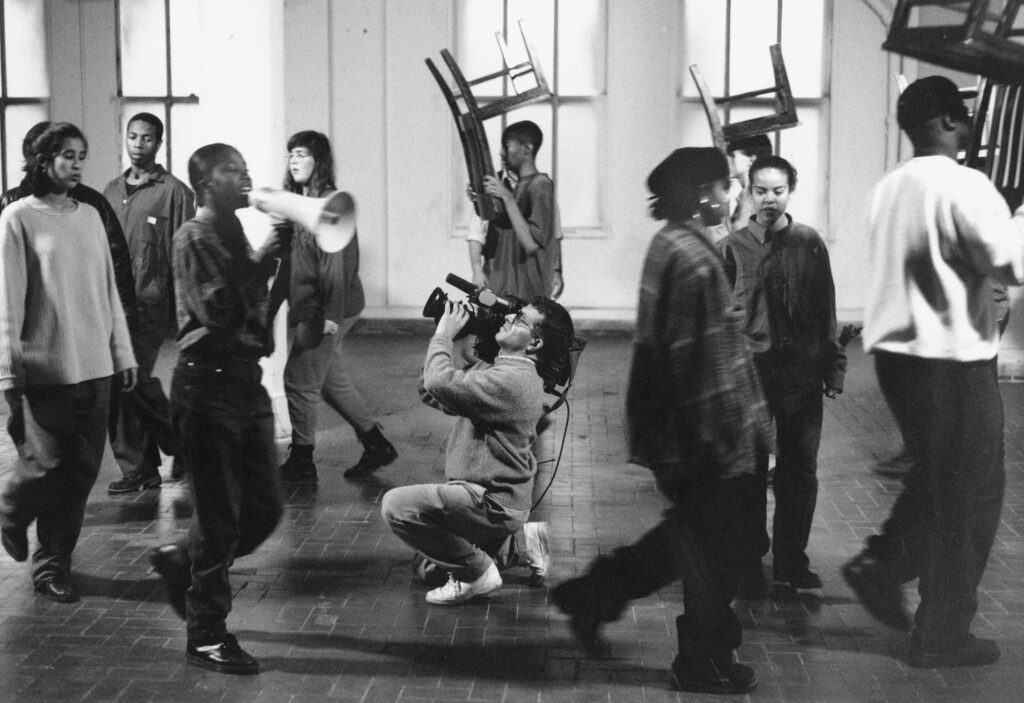
The Ford Foundation backed the production of the PBS Series “No Time to Be a Child: Growin’ Up Not A Child.“
1999: Supporting female artists in Nigeria
Through the Cultural Action Network, the Foundation granted $41,000 towards the research and documentation of women in the creation and preservation of traditional arts in Lagos, Nigeria. The grant also supported a series of workshops to enable Nigerian women to dialogue with female writers about their lives.
2002-2003: Ford helps bolster Oaxacan musical traditions
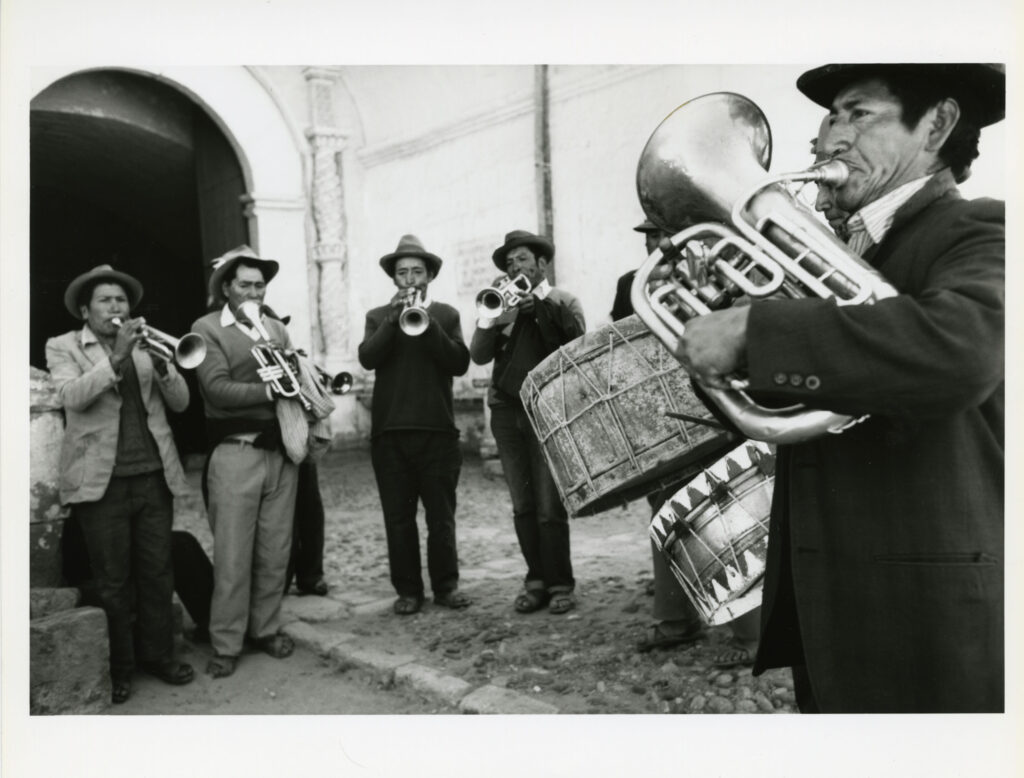
Through a $35,000 grant, the Ford Foundation aided the strengthening of local musical performing traditions in Oaxaca through education and outreach programs for brass bands.
2004: Helping preserve human rights history in Argentina
Ford gives $40,000 towards Memoria Abierta, an Argentine human rights organization that focuses on promoting the memory of the human rights violations in recent history, to make copies of their oral and photographic archives on the 1976-1983 Argentine military dictatorship.