Barbara Shubinski
Director of Research and Engagement, Rockefeller Archive Center
Barbara Shubinski is the Director of Research and Engagement at the RAC where she leads a team of historians, educators, archivists, and designers in communicating the role philanthropy has played in shaping U.S. and global life. She holds a PhD in American Studies from the University of Iowa, master’s degrees in Historic Preservation from the University of Vermont and in Anthropology from Stanford University, and a BA from the University of Virginia. Her research interests include the history of science, public health and agriculture.
Related Articles
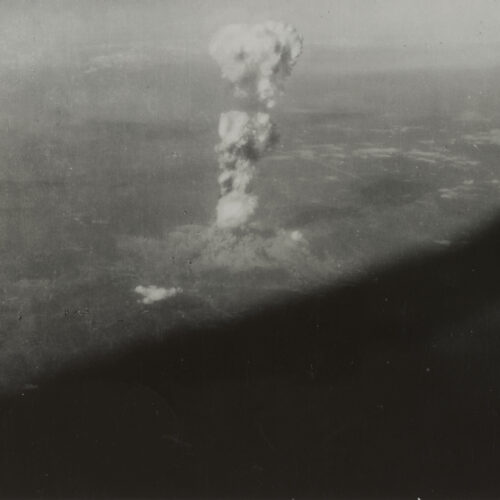
Ethics and the Atomic Bomb
Primary Source Workshop: 9–12 or Undergraduate/Graduate How To Use This Primary Source Workshop Since the atomic bombings of Hiroshima and Nagasaki there have been ongoing historical debates and moral discussions around the use of the bomb during the war and the potential for use again moving forward. This workshop will look at the ongoing discussions…
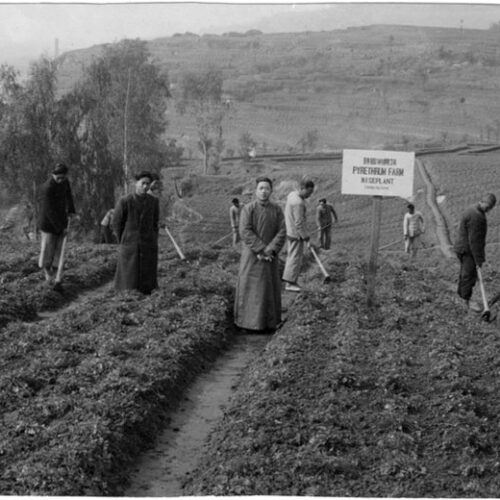
The Rockefeller Foundation’s Rural Reconstruction Program in 1930s China
In the 1930s, an ambitious program to reshape China was cut short by war, but offered a model for community development.
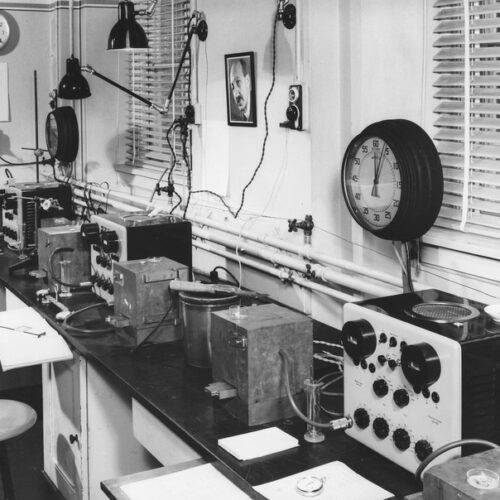
Laboratories, Talent, and New Technology: the Rockefeller Foundation and the Physical Sciences
One philanthropy invested in scientists and pushed the atomic age forward.
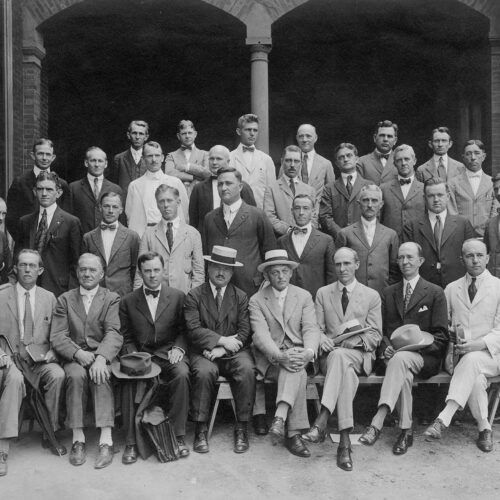
Evolution of a Foundation: an Institutional History of the Rockefeller Foundation
One of the first large-scale philanthropic foundations in the United States was created out of industrial wealth and came to reach around the globe.

“A Roomful of Brains”: Early Advances in Computer Science and Artificial Intelligence
At midcentury, Rockefeller Foundation staffers hoped new technologies might find solutions to complex problems.
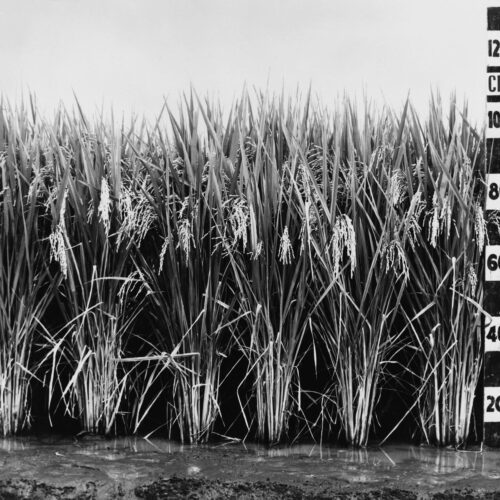
The Birth of International Agricultural Research Institutes in the Mid-20th Century
Rockefeller Foundation agriculture programs begun in Mexico achieved global reach through four major research institutes. Building them was the result of partnership.